Impact Cities brings together cities and civil society actors from across Europe to jointly develop new approaches to the reception and integration of people seeking protection, based on solidarity and human rights.
In a multi-part dialogue series, we are bringing together different societal perspectives to discuss reform options for inheritance tax and to develop future-oriented recommendations for the federal government.
Over the course of a year, we work alongside selected local authorities to help them develop practical, broadly supported strategies for the local heating transition within local development advisory boards.
Re:MatchJob is trialling data-driven matching approaches to bring asylum seekers and cities together more effectively and to promote sustainable integration into the labour market.
Local climate teams strengthen climate action within social organisations by connecting committed individuals and embedding climate issues permanently in the organisations’ work.
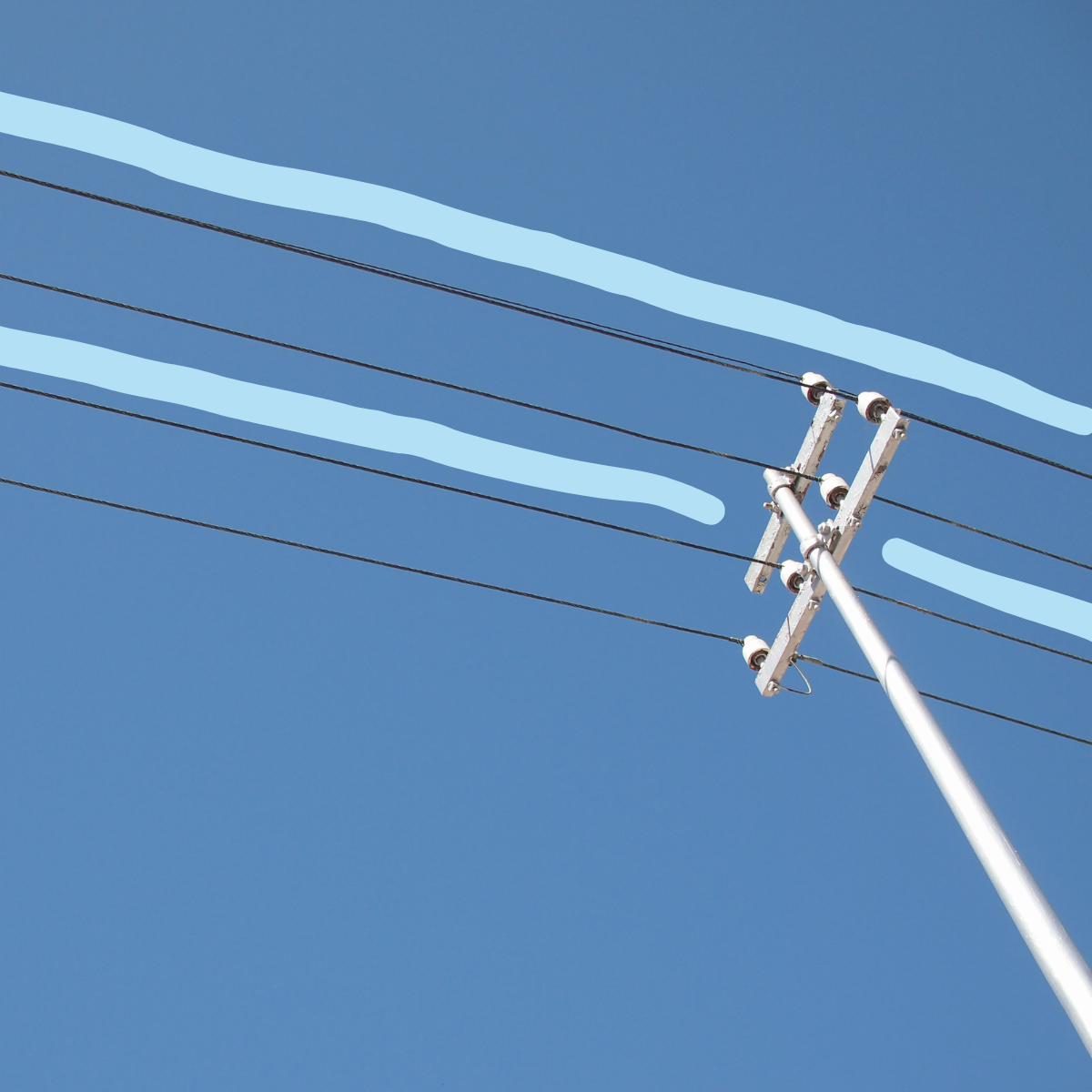
LEAP Transparency promotes access to clean and affordable energy in rural areas of Africa through transparent, cross-sector collaboration between the political sphere, the private sector and civil society.
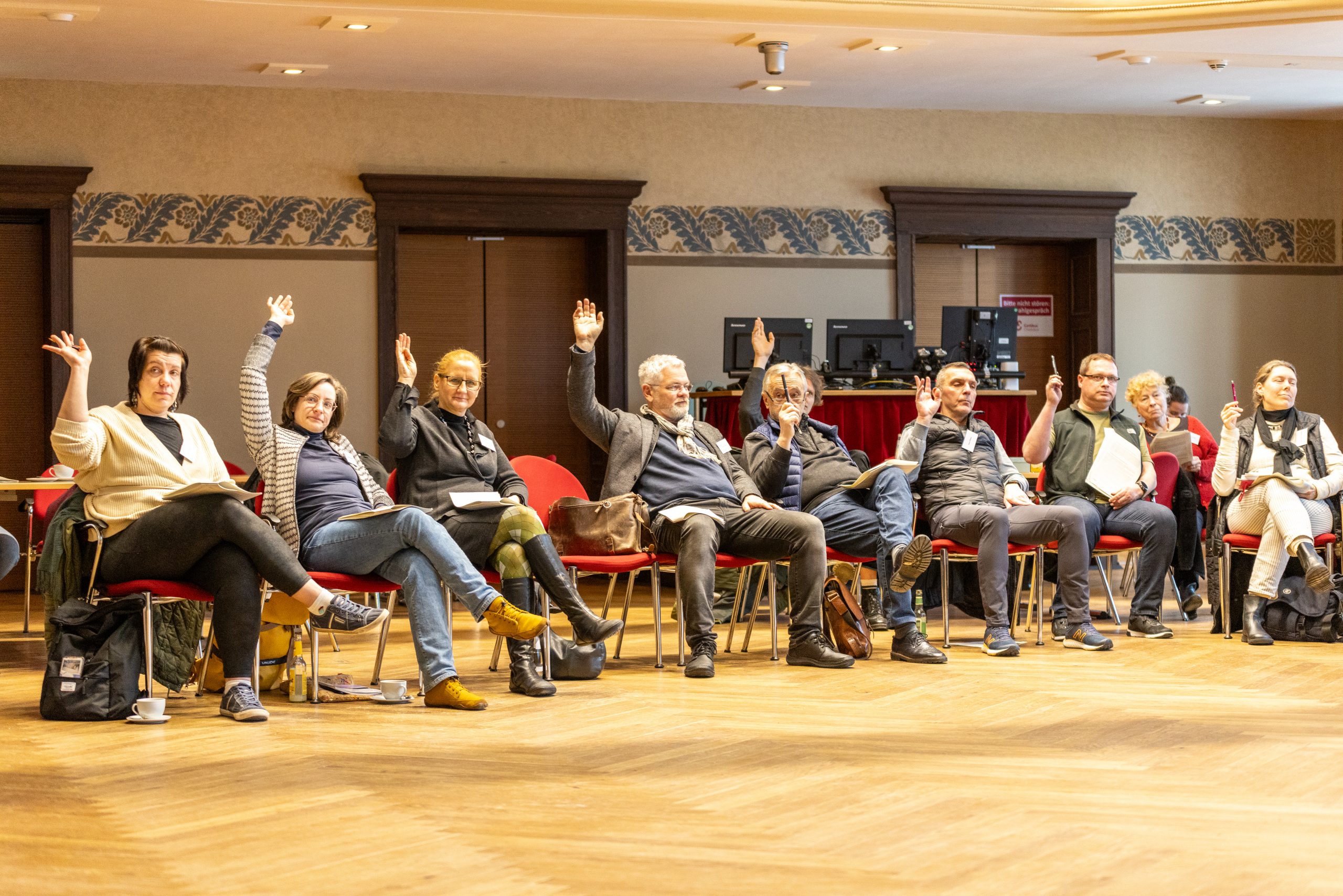
There is a prominent brownfield site in the centre of Cottbus that was recently acquired by the city. A municipal development advisory board brings together various stakeholders to draw up recommendations for the future use of this site for the city council.
Re:Match is piloting data-driven matching of protection seekers and cities for participatory relocation. This needs-based and individualised matching to welcoming municipalities via algorithm is an innovative solution for human rights-based migration policy.
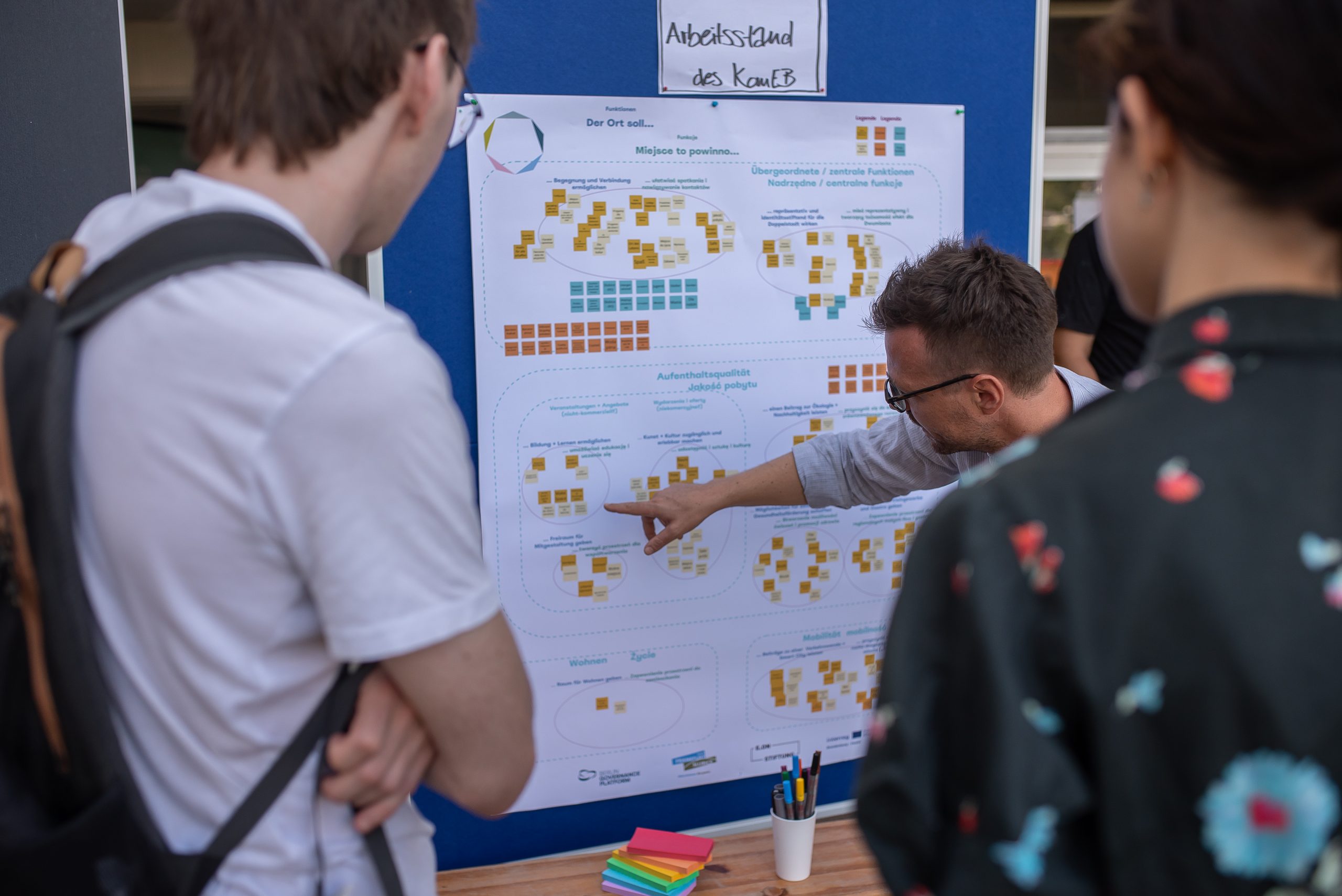
A municipal development advisory board developed a model for the development of an open space directly adjacent to the city bridge connecting Frankfurt (Oder) and Słubice.
The aim of the "Energiewende PartnerStadt" project was to exchange expertise and experience on the local energy transition across national borders, facilitate technology transfer in the field of renewable energies and support cohesion in Europe.