Democracy

We bring together policy-makers (including administrators), business leaders and organized civil society to jointly develop strategies for the challenges of our time. We support a policy making that moves away from reactive crisis management and pro-actively develops concepts for a just and sustainable future. TEST

Making democracy tangible.

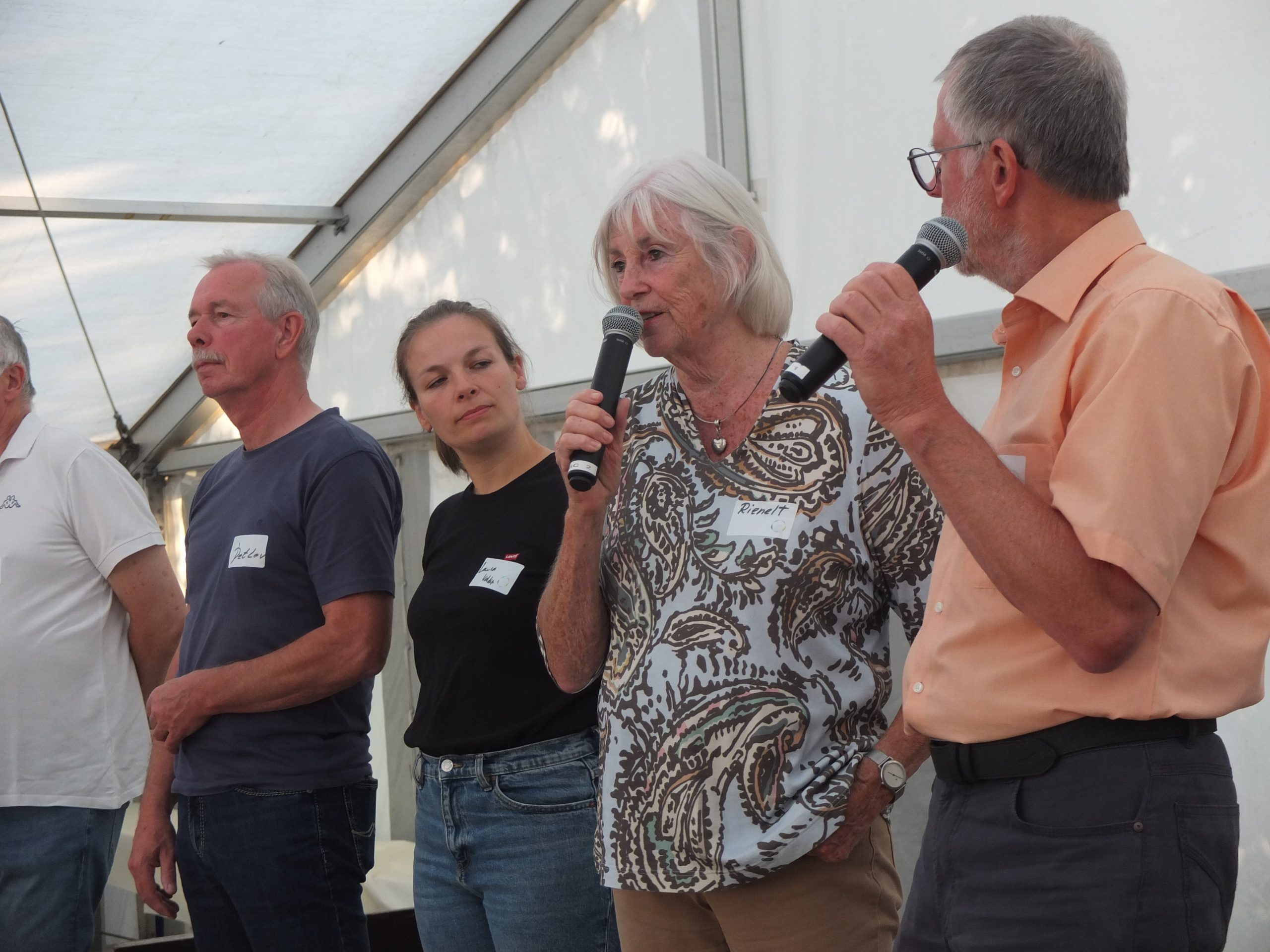
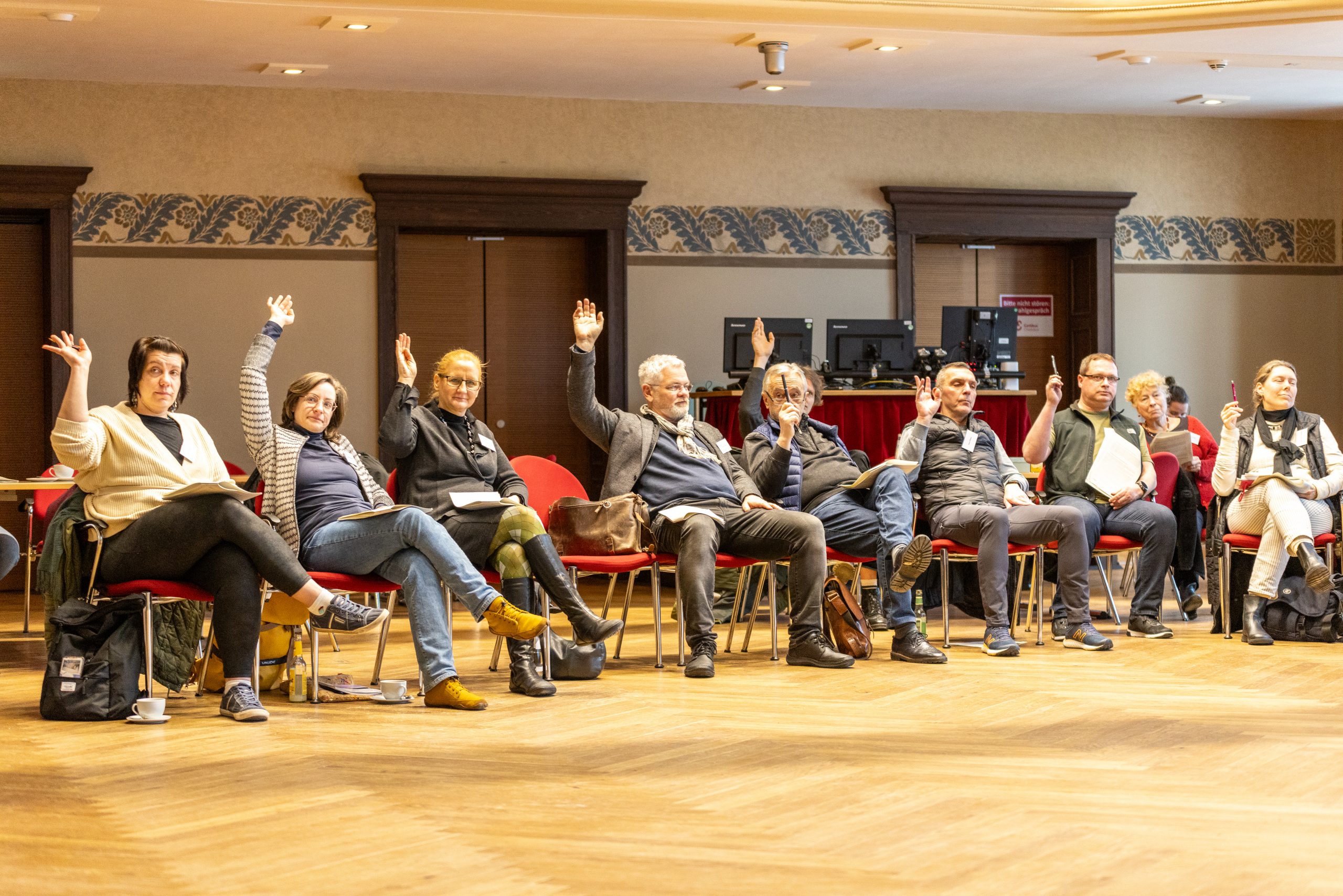
Democracy is in a credibility crisis. Trust in democratic structures is at an all-time low, and right-wing extremist tendencies are increasingly established throughout. For most citizens, democracy is an abstract concept that plays no role in their everyday lives. Many no longer believe in their own political efficacy. This must change. We believe that democracy can come alive and be actively experienced when members of a democratic society come together to jointly develop strategies for dealing with crises and challenges. For this to happen, it is important that those actors meet on an equal level, allowing new strategies to incorporate different perspectives. This has the potential to enhance credibility of policies and there with sustainability of their implementation. We enable this process by facilitating constructive, power-sensitive dialogue – although with a willingness to expand the comfort zone of discussion. Such an approach requires the willingness of all participants to compromise – increasingly rare in a polarized society. For us, working on the topic of democracy always means working on relationships, because that's the only way to build trust and enable a change of perspective.

Political decisions need a broader basis than before if they are to find sustainable solutions in our changing, global capitalist society. Elected politicians must join with organized civil society and the business sector to evaluate decisions and positions. This must happen at all levels, from the local to the global.

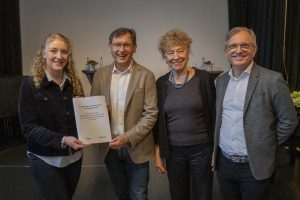
Prof. Dr. Gesine Schwan

Complex challenges require more participation.

However, trust in democratic processes is also based on what is known as "output" legitimacy, i.e. on the concrete results of political decision-making. This is often accompanied by the accusation that politicians are too far removed from the concerns It is often said that politicians are too far removed from everyday life to be able to make adequate policies. We believe that politicians alone can neither fully grasp nor shape the complex reality as a whole, and therefore rely on intermediaries to bring in relevant perspectives in the political decision-making process. Our approach to enhance this is (citizens) participation rather than lobbing. We believe the most proliferate and sustainable way to make policies is by creating spaces, where different perspectives can be discussed and policies jointly developed. Only such a dialogical approach utilizes the necessary creativity and expertise to find sustainable and effective solutions to the challenges of our time.
Projects on this topic

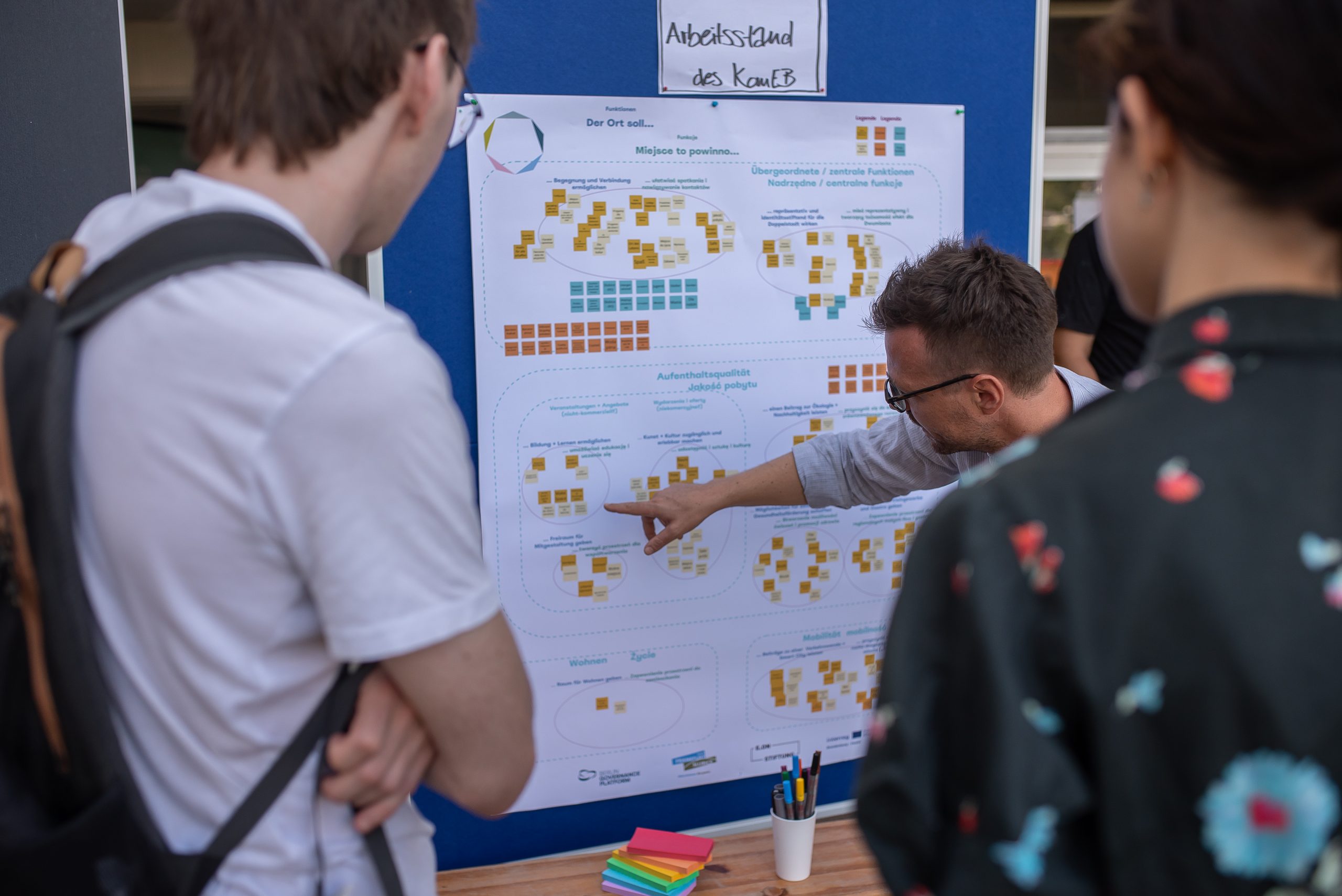
  • Municipal Development Council in Cottbus/Chóśebuz

    There is a prominent brownfield site in the centre of Cottbus that was recently acquired by the city. A municipal development advisory board brings together various stakeholders to make recommendations for the future use of this [...]
  • Municipal Development Council in Duisburg

    Duisburg-Hochfeld, once characterised by heavy industry, is a prototype for areas in the Ruhr region affected by structural change. A municipal development advisory board is discussing ways to improve the quality of life for residents in the neighbourhood [...].
  • Energy transition twin city 3.0

    The aim of the "Energiewende PartnerStadt" project was to exchange expertise and experience on the local energy transition across national borders, facilitate technology transfer in the field of renewable energies and promote cohesion in Europe.
  • Municipal Development Council in Frankfurt (Oder)

    A municipal development advisory board developed a model for the development of an open space directly adjacent to the city bridge connecting Frankfurt (Oder) and Słubice.
  • Municipal Development Council in Samtgemeinde Meinersen

    A municipal development council plays a key role in shaping climate protection measures in the Meinersen joint municipality in Lower Saxony. The aim of this participation framework is to make the development process transparent, to ensure the legitimacy of the [...]
  • Accommodation for refugees in Berlin

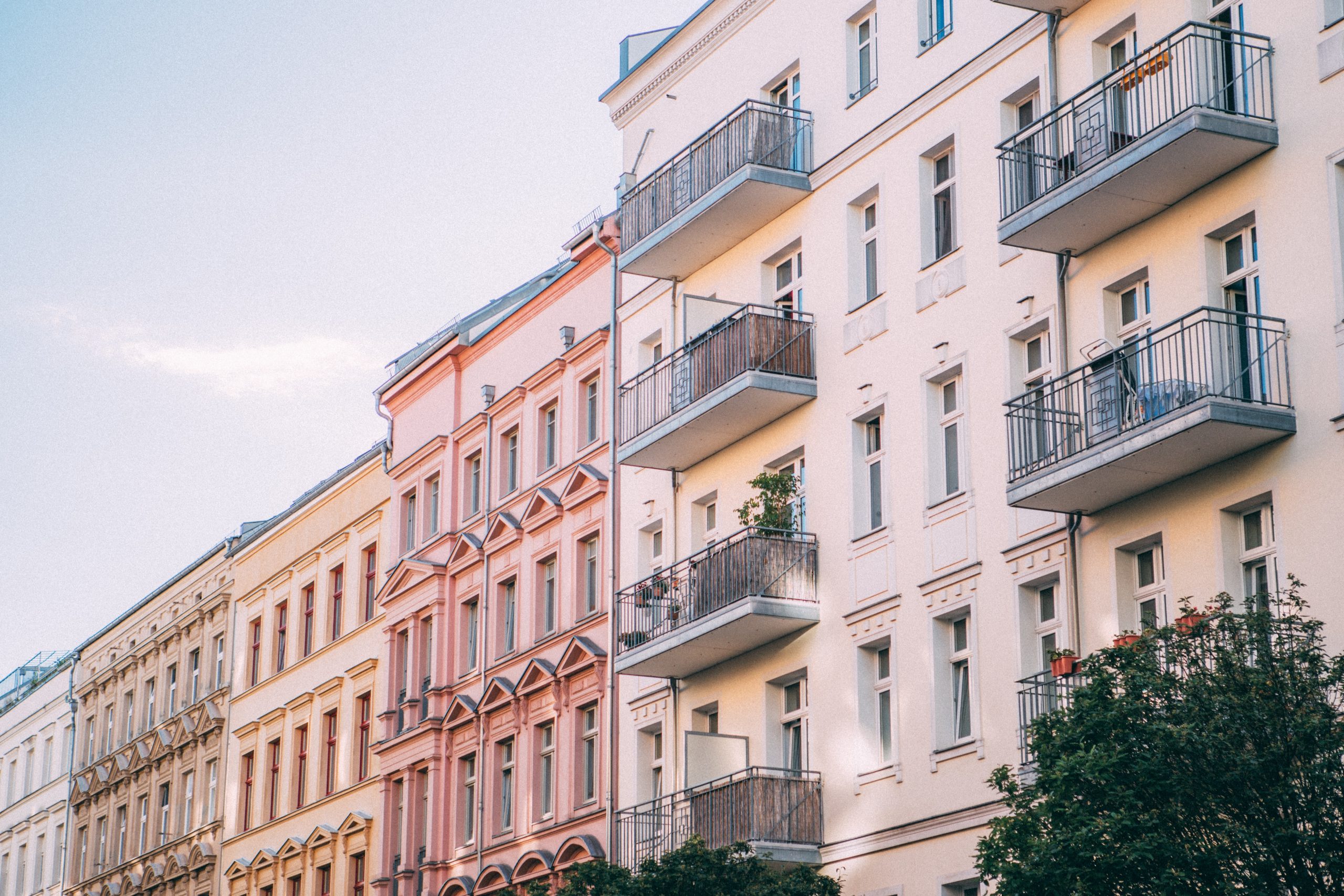
    How can refugees find adequate and affordable housing in Berlin? In the midst of a tight housing market and numerous barriers to access, we are developing ideas for possible solutions with policymakers, civil society and the real estate industry.
  • A municipal development advisory board accompanies urban development in Weißwasser/O.L.

    Municipal Development Council in Weißwasser/O.L.

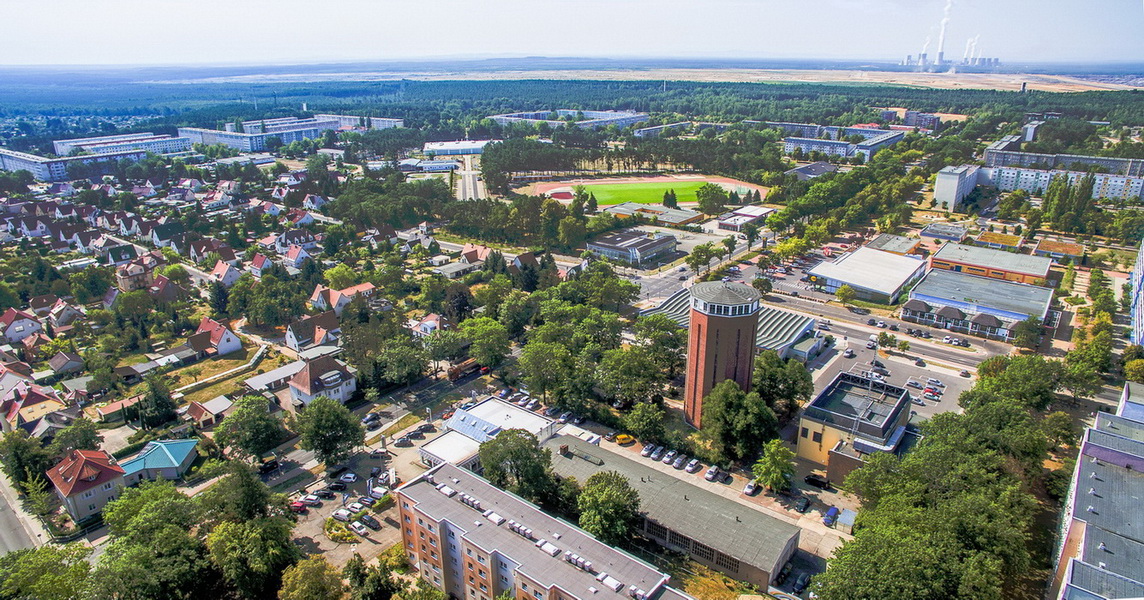
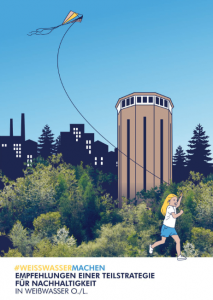
    The city of Weißwasser is facing major changes over the next few years: the centralised supply of lignite will come to an end from 2029. A municipal development council is currently discussing how [...]
  • In Hoyerswerda, a municipal development advisory board advises on the utilisation of green spaces and demolition sites

    Municipal Development Council in Hoyerswerda

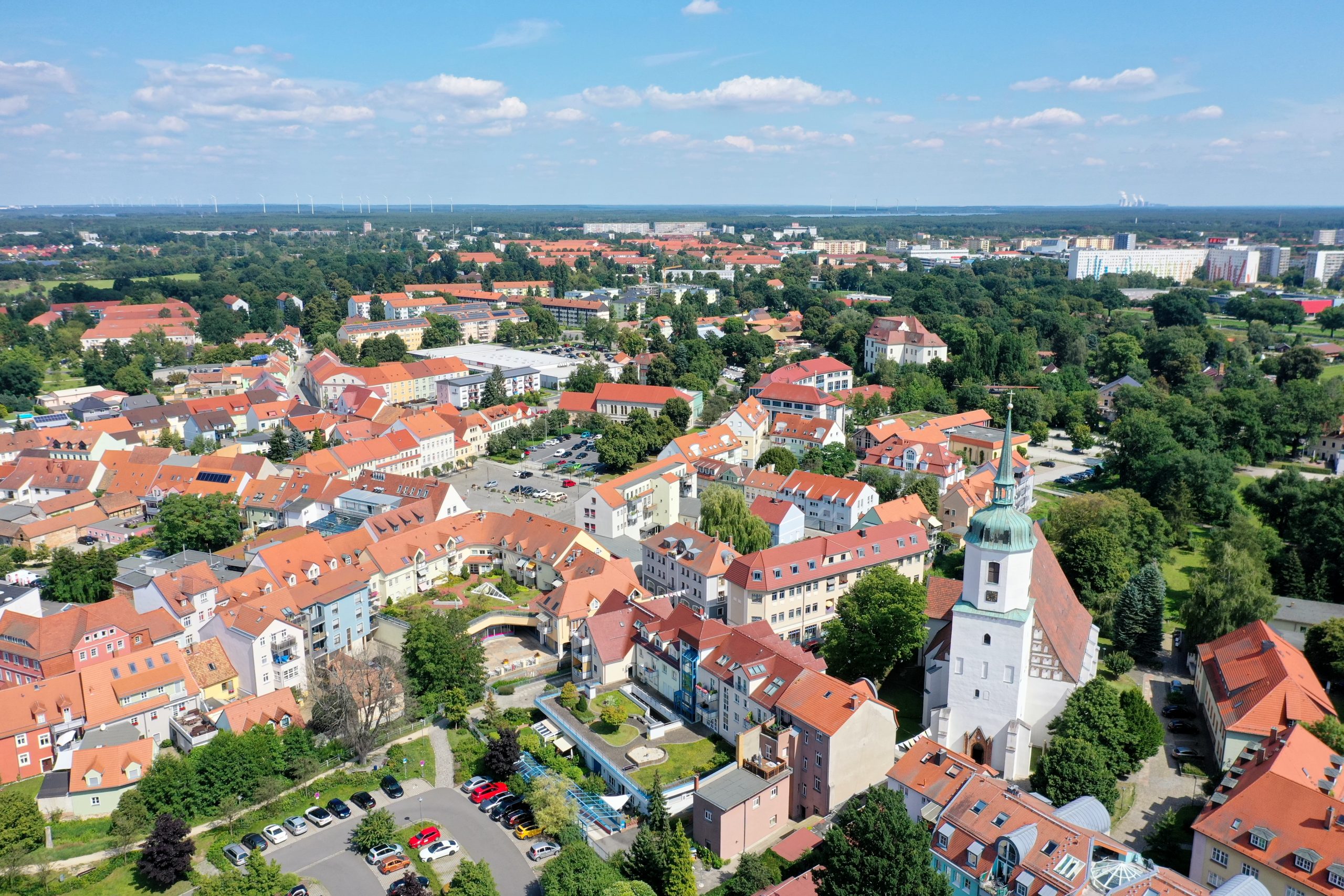
    In Hoyerswerda, a municipal development council is discussing the utilisation of urban green spaces and demolition sites. The aim is to create a "green fringe".
  • A municipal development advisory board supports the municipality of Kalletal

    Municipal Development Council in Kalletal

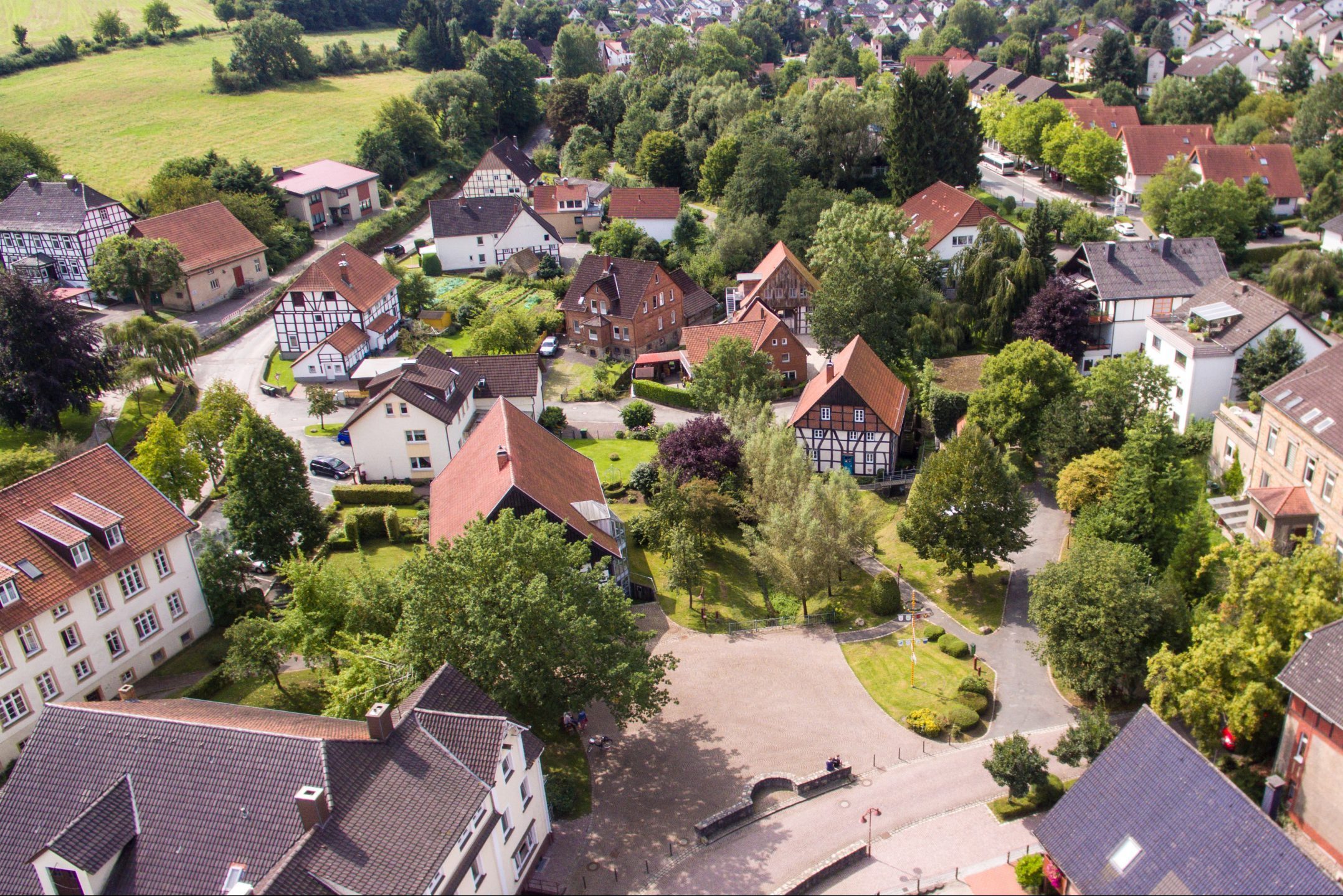
    In Kalletal, a municipal development advisory board drew up recommendations for improving municipal healthcare provision.
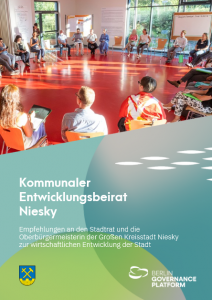
  • In Niesky, a municipal development advisory board is discussing the town's economic future.

    Municipal Development Council in Niesky

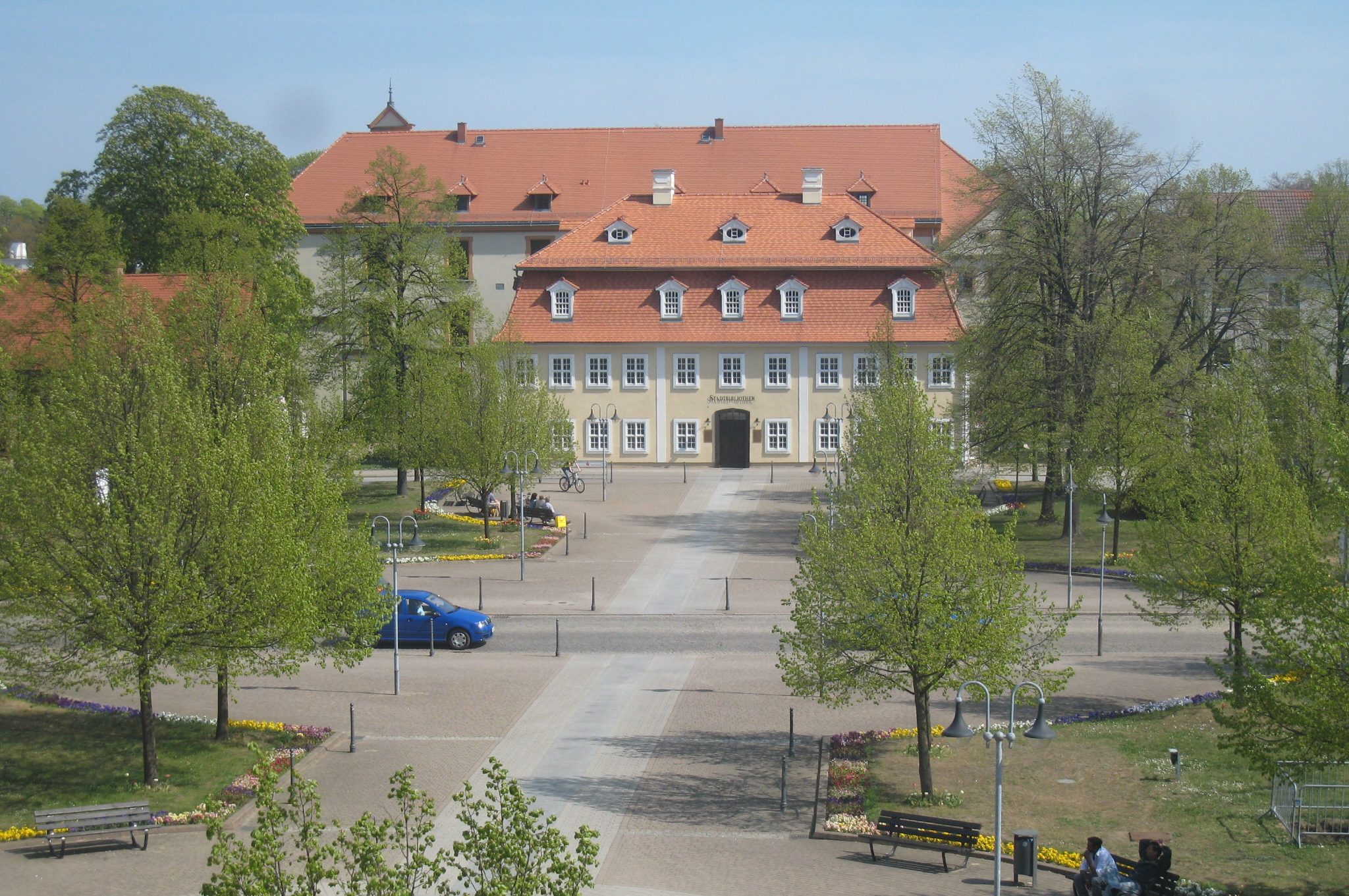
    In Niesky, a municipal development council discussed the economic future of the town.

Publications on this topic